Your Cart is Empty

Delivering spring water FREE throughout New South Wales, Victoria & the ACT
Delivering spring water FREE throughout New South Wales, Victoria & the ACT


January 14, 2026 3 min read
As they return from the festive break, many workplaces across New South Wales and Victoria are dealing with a severe heatwave. Temperatures soaring above 40°C create an environment where ordinary work becomes physically dangerous if heat risks are not actively managed.
For employers, site supervisors and workers, preventing heat-related illness is a daily priority. While every worksite’s safety plan will differ, experience shows four core factors consistently make the greatest difference: hydration, shaded rest breaks, a supportive safety culture, and practical cooling strategies.
At Big Springs Water, we know that reliable hydration is not optional in extreme heat. It is a frontline defence that protects people, productivity and safety.
High heat accelerates fluid loss through sweating, even when workers are doing lighter tasks. In conditions above 35°C, the body can lose more than a litre of water per hour. Dehydration doesn’t just make someone thirsty. It reduces concentration, slows reaction times and leads to heat stress, cramps and fainting.
Workers should be strongly encouraged to drink small amounts of water often, not just during formal breaks. Thirst is a late warning sign. Ideally, drinking starts before people begin feeling dehydrated.
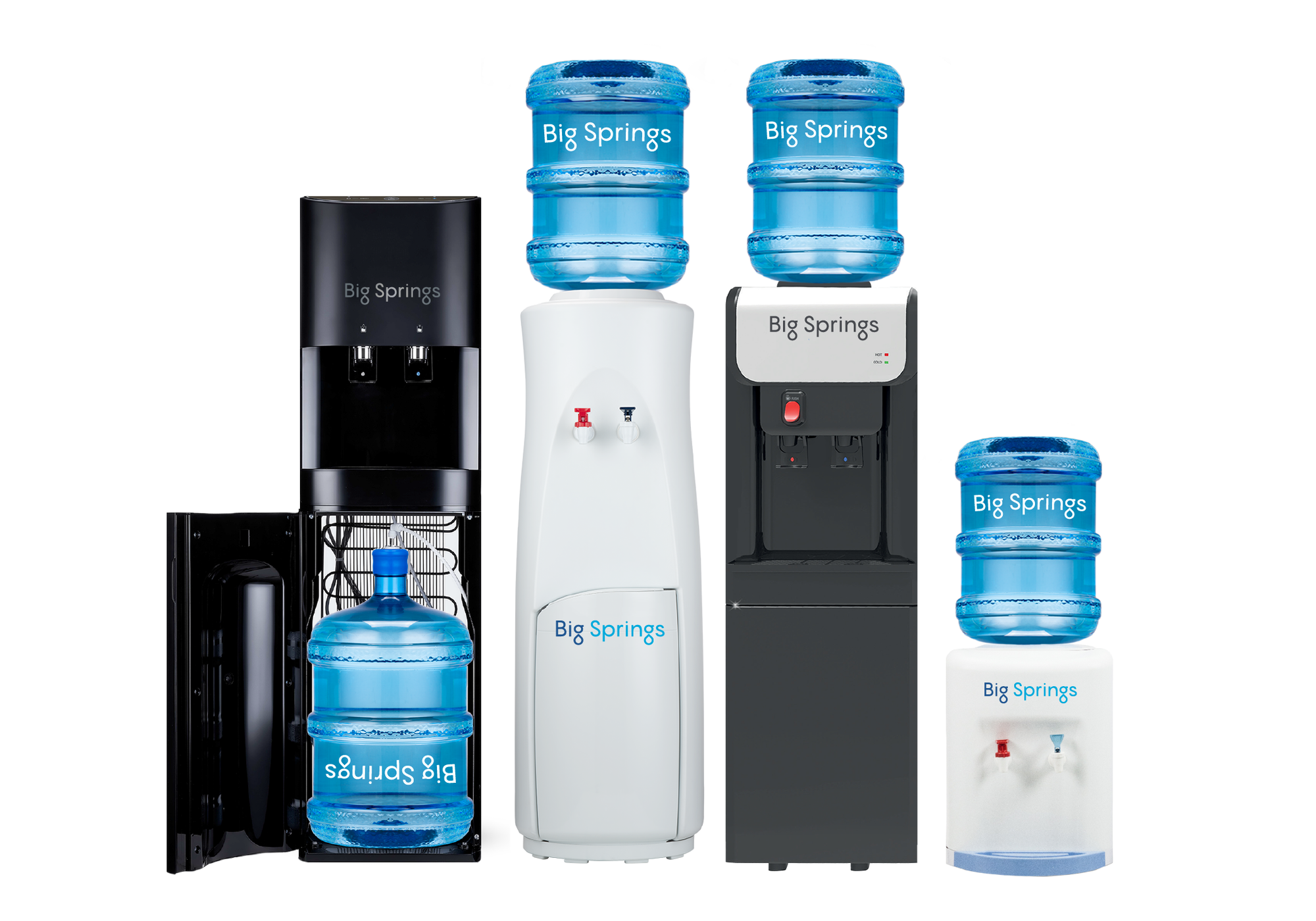
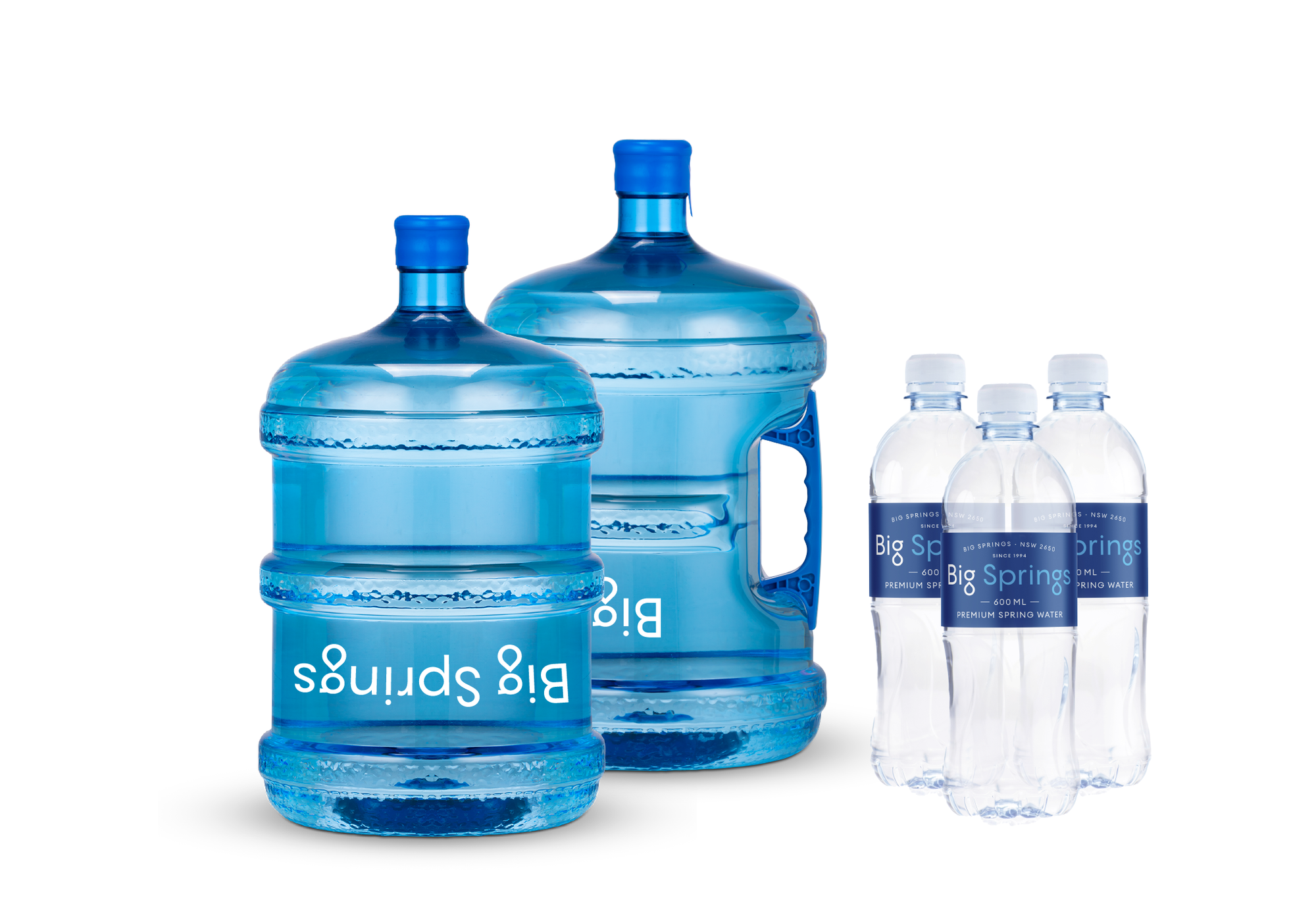
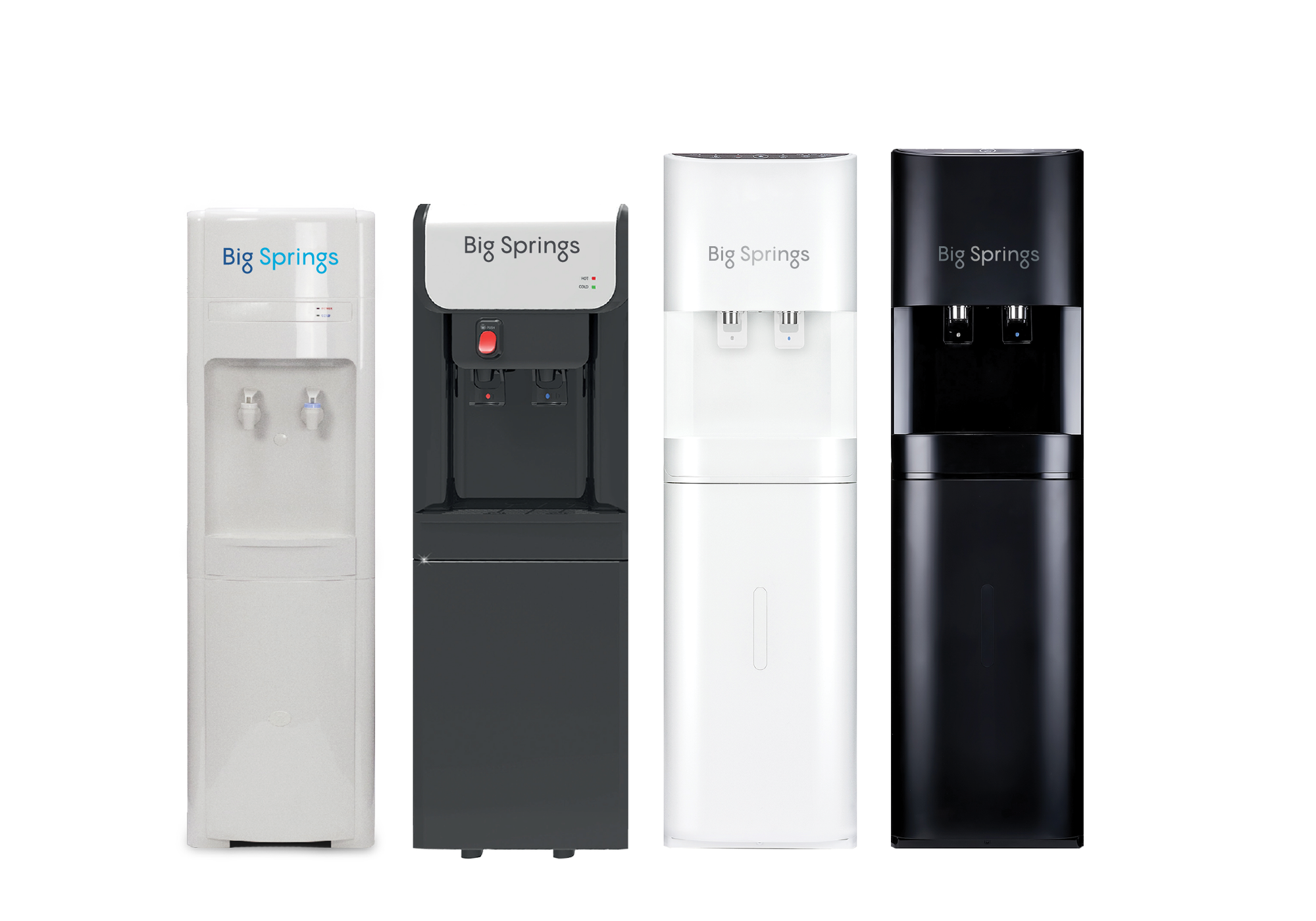
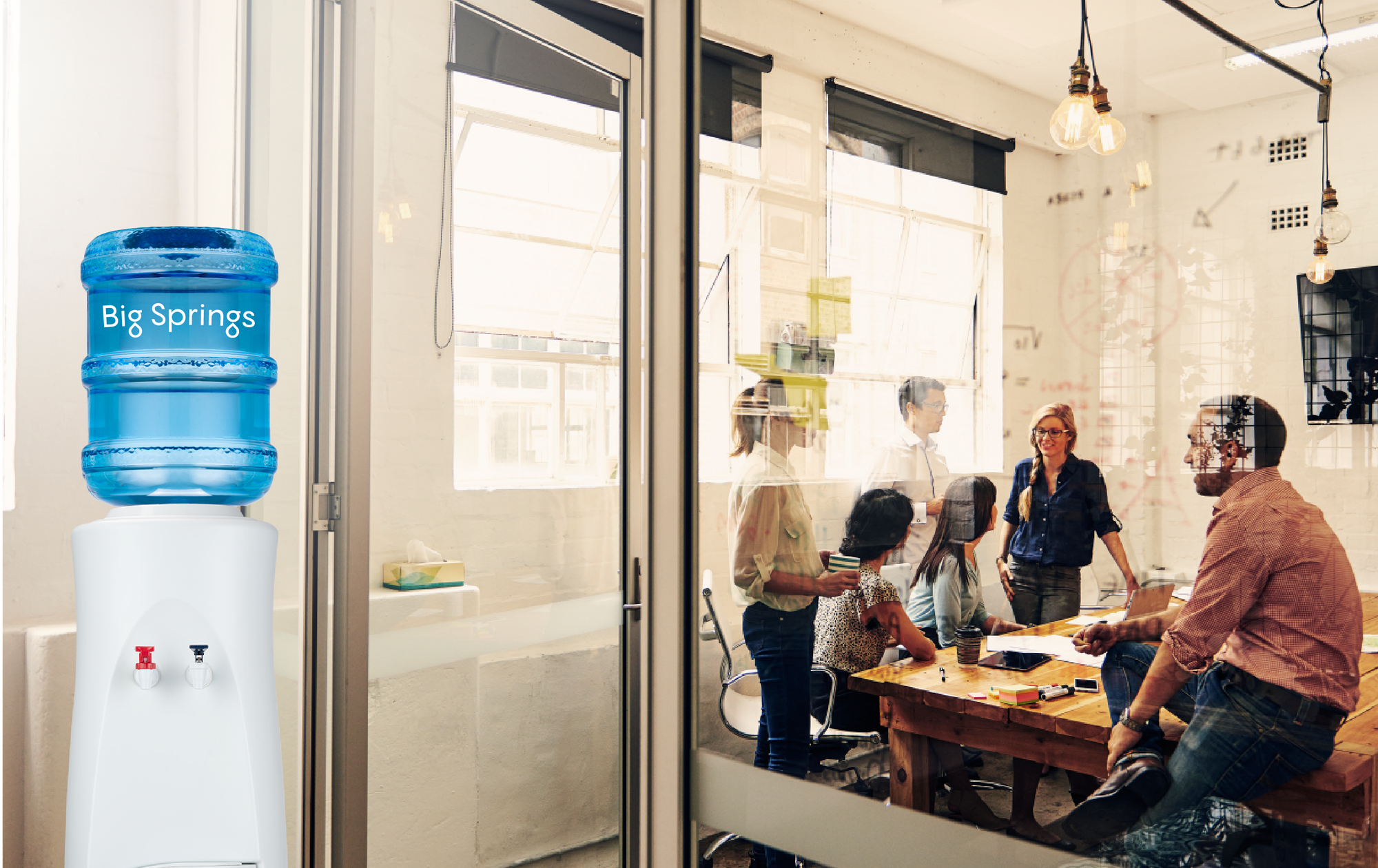
Providing easily accessible, chilled water stations across the worksite helps keep workers hydrated and prevents queues at a single tap. Big Springs Water coolers and bulk water supply solutions are designed to ensure workers can refill bottles on demand without delaying tasks.
In NSW and Victoria’s current heatwave, the sun’s impact is relentless. Even shade matters.
Regular breaks in shaded or cooled areas allow the body to recover from continuous heat exposure. These breaks should be structured into work plans during hot periods, not left to individuals to decide.
Breaks are not only for rest. They are a chance to reapply sunscreen, rehydrate, and assess how workers are coping with the conditions. Where possible, planning heavy or high-exertion work for earlier in the morning or later in the afternoon helps minimise exposure during peak heat.
Heat-related illness can escalate quickly, and workers may mask how they are feeling because they don’t want to slow down the job.
A strong worksite safety culture means everyone watches out for one another. Spotting early signs of heat stress — such as irritability, dizziness, nausea or excessive sweating — and acting on them promptly can prevent a minor incident from becoming a medical emergency.
Supervisors and crews should feel empowered to stop work or adjust tasks when conditions are unsafe. Supporting peer reporting and encouraging open conversations about how workers feel in the heat saves lives.
Hydration and shade are critical, but on high-temperature days, additional cooling strategies can help manage heat load.
Practical cooling options include:
These measures help workers maintain body temperature when shade and hydration alone are not enough.
Combining cooling strategies with regular rehydration ensures workers stay safer, more comfortable and more focused even during prolonged heatwave conditions.
The current heatwave across NSW and Victoria is a stark reminder of how quickly ordinary work conditions can become hazardous. Preventing heat-related illness requires planning, resources and a shared commitment to people’s wellbeing.
By prioritising hydration, structured rest breaks, a supportive safety culture and practical cooling strategies, worksites can reduce heat risk and protect their teams.
At Big Springs Water, we are committed to helping Australian workplaces stay hydrated and prepared. Reliable access to cool, clean drinking water is a simple but powerful part of any heat safety plan.
Comments will be approved before showing up.