Your Cart is Empty
Delivering spring water FREE throughout New South Wales, Victoria & the ACT
Delivering spring water FREE throughout New South Wales, Victoria & the ACT


Water coolers are a common sight in many workplaces, schools, and homes these days – especially in Australia, where the weather is hot and hydration is key. Water coolers provide a convenient way to dispense clean and refreshing drinking water. But have you ever wondered how these devices actually work? In this blog, we'll take a deep dive into the inner workings of water coolers and explore the science behind them.
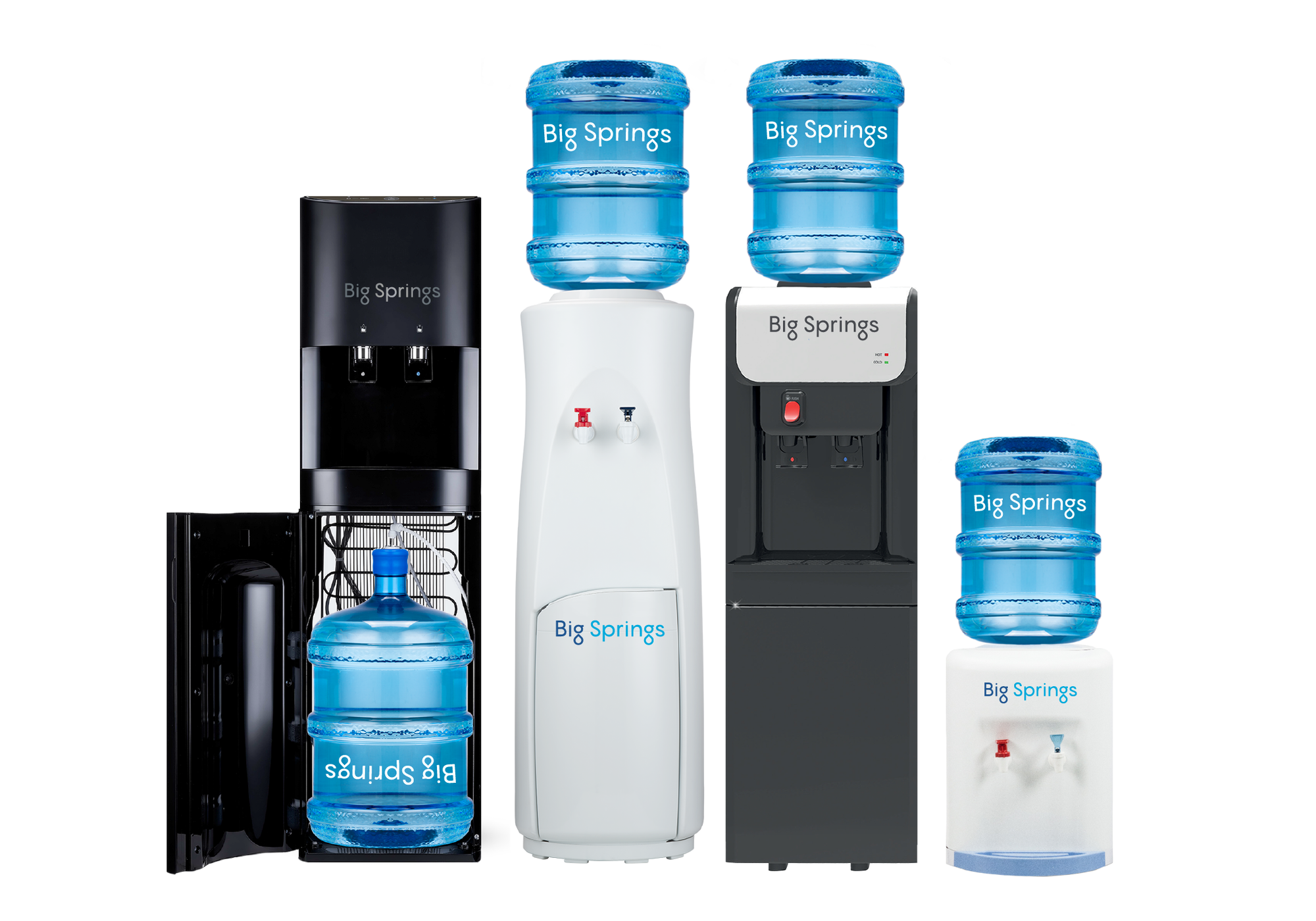
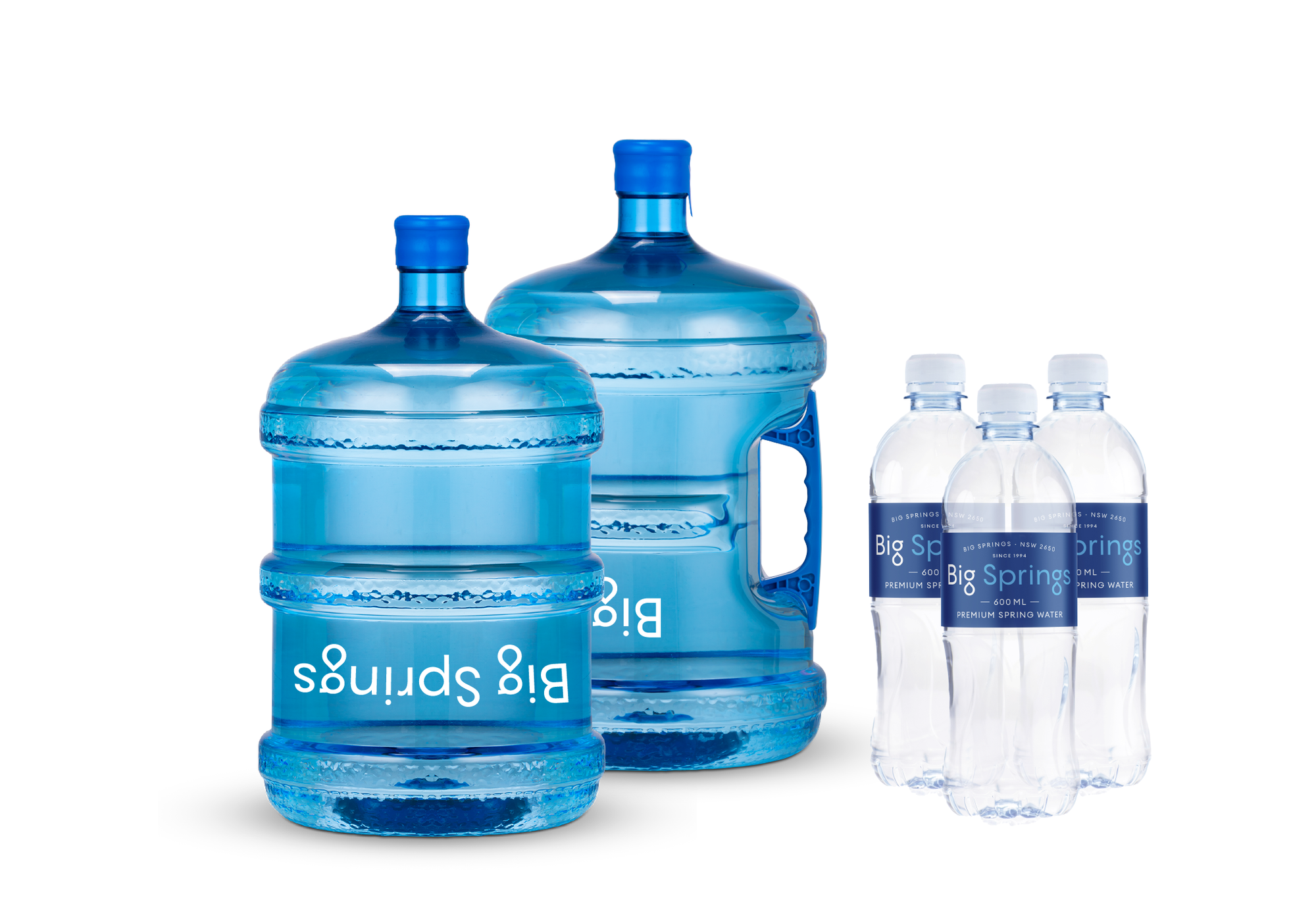
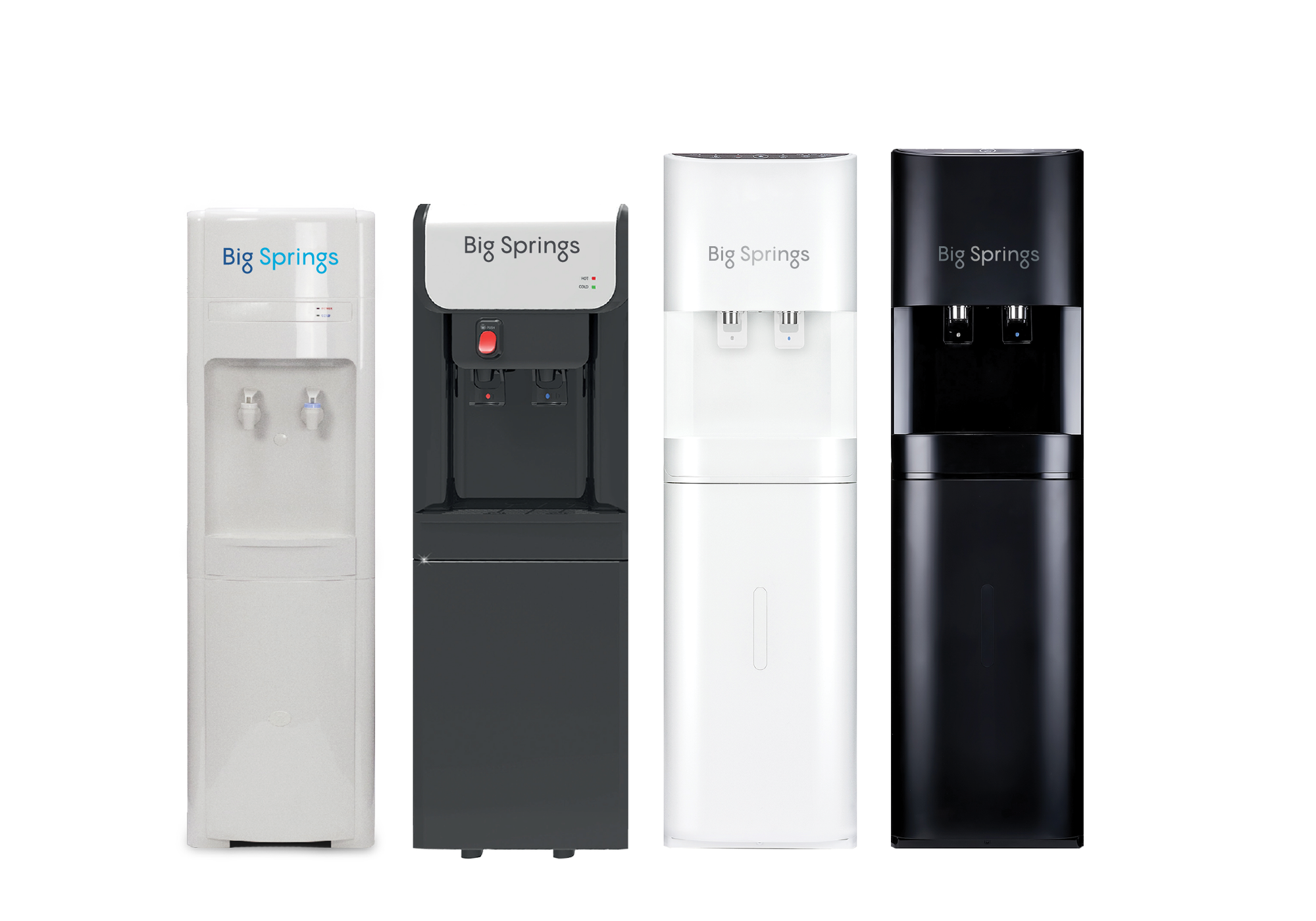
There are two main types: bottled water coolers and bottle-less water coolers. Bottled water coolers, as the name suggests, use bottles of water that are placed on top of the cooler. Bottle-less water coolers, on the other hand, are directly connected to a water source and do not require any bottles.
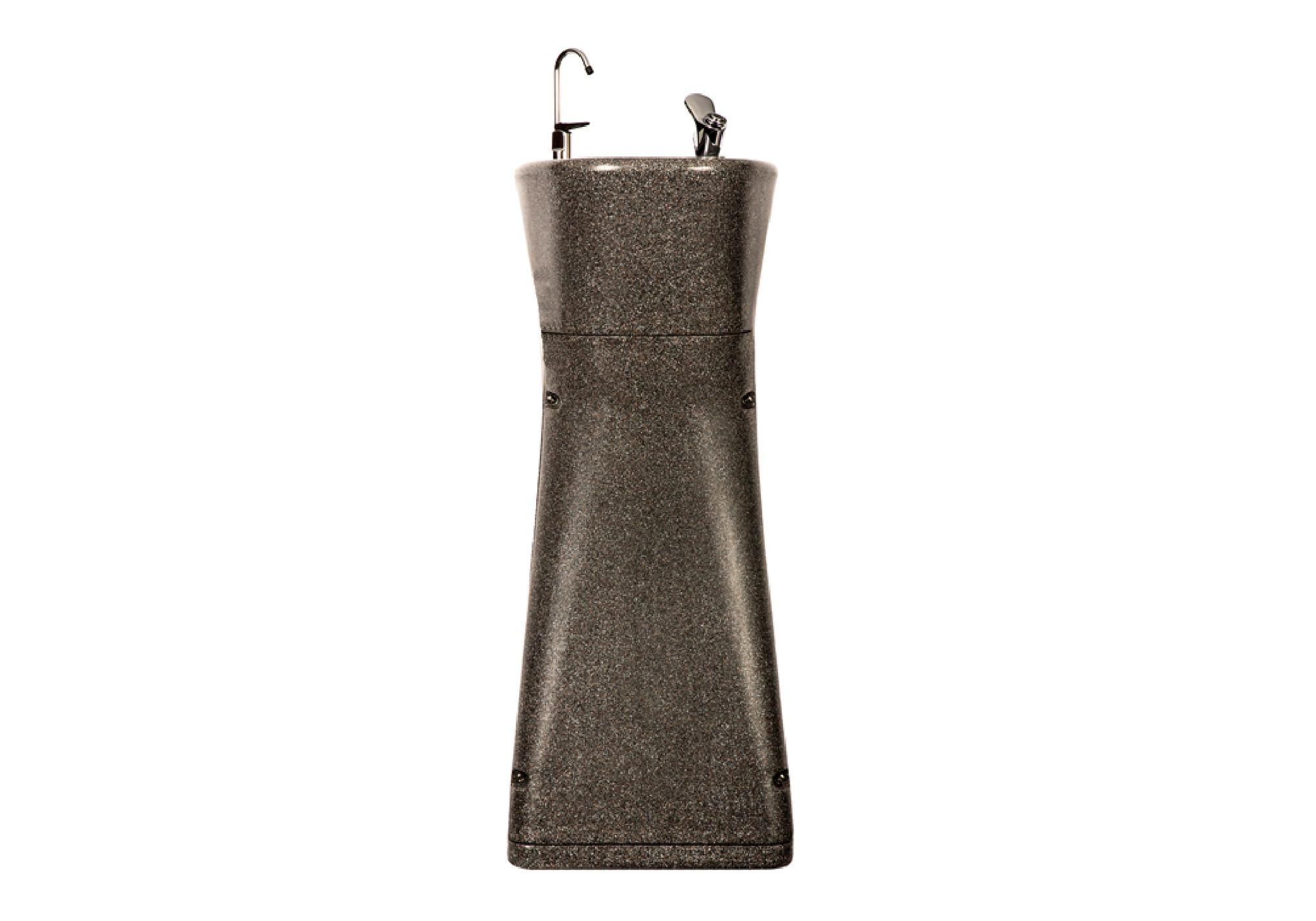
In addition to bottled and bottle-less systems, water coolers are also available in several different formats, including:
These options allow homes and businesses to choose a system that best suits their space, usage levels, and installation requirements.
Bottled water coolers work by using a process called thermoelectric cooling. Inside the cooler, there is a cooling chamber that contains a heat sink and a fan - the heat sink is made of a material that is a good conductor of heat, such as aluminium or copper. The fan blows air over the heat sink, which causes the heat to dissipate into the air.
The water bottle sits on top of the cooling chamber, and a probe is inserted into the bottle to draw water up through the cooler. As the water passes through the probe, it is cooled by the cold plate, which is located inside the cooling chamber. The cold plate is a flat metal surface that is in direct contact with the water - it cools the water by absorbing heat from it and transferring it to the heat sink.
Most bottled water coolers contain several essential parts that help regulate temperature and water flow, including:
Together, these components ensure water is consistently cooled and ready for dispensing.
Thermoelectric systems are commonly used in smaller bottled water coolers due to several advantages:
However, they’re generally best suited for low to moderate usage environments, as they cool water a lot slower than compressor systems do.
Bottle-less water coolers work a little differently. They use a process called compression cooling, which is the same process used in refrigerators and air conditioners. The water is drawn from a water source, such as a tap or a water line, and passes through a filtration system to remove any impurities.
Once the water has been filtered, it enters the cooling chamber, which contains a compressor, a condenser, and an evaporator. The compressor compresses a refrigerant gas, which causes it to become very hot. The hot gas then passes through the condenser, which is a series of coils that dissipate the heat into the surrounding air.
After the heat has been removed, the refrigerant gas enters the evaporator, which is a series of coils that are in contact with the water. As the refrigerant gas expands, it cools down and absorbs heat from the water, which causes the water to become cold - the cold water is then dispensed through a spigot, and the process starts over again.
 How compressor cooling systems operate
Compressor-based systems work through a continuous refrigeration cycle, which includes:
Compressing refrigerant gas to raise its temperature
Releasing heat through condenser coils
Allowing refrigerant to expand and cool
Absorbing heat from the water in the evaporator
Repeating the cycle to maintain consistent cooling
This method allows bottle-less coolers to chill larger volumes of water quickly and efficiently.
Bottle-less systems are popular in high-usage environments because they offer:
These systems are commonly used in offices, gyms, medical facilities, and commercial spaces.
Most bottle-less water coolers include multi-stage filtration to improve water quality – these systems might include:
Regular filter replacement is essential to maintain water quality and system performance.
|
Feature |
Thermoelectric Cooling |
Compressor Cooling |
|
Cooling Power |
Lower |
Higher |
|
Noise Level |
Very quiet |
Moderate |
|
Energy Use |
Lower (small units) |
Higher (large units) |
|
Best For |
Homes, small offices |
Large offices, commercial use |
|
Cooling Speed |
Slower |
Faster |
Many modern water coolers now include additional features such as:
These features improve safety, convenience, and efficiency.
To ensure optimal performance, water coolers should be maintained regularly. This includes:
Routine maintenance helps prevent bacterial growth and extends the lifespan of the unit.
Water coolers are a great way to enjoy clean, refreshing water, whether you prefer bottled or bottle-less. At Big Springs Water, we supply homes and businesses with water coolers, filtration systems, 15L spring water bottles, and all the accessories. We pride ourselves on our efficient service and affordable prices – for more information, please don’t hesitate to get in touch.
Comments will be approved before showing up.